
 Indonesia
 Malaysia

Category


The Rise of Muslim-Friendly Tourism in Vietnam: A 2026 Strategic Travel Guide
18/05/2026
Admin
Vietnam is rapidly establishing itself as one of Southeast Asia's most dynamic and attractive emerging destinations for the global Ummah. The combination of stunning natural heritage, rich historical landmarks, and highly competitive travel costs makes it a compelling alternative to traditional holiday spots. As the country opens up to a broader demographic, the infrastructure for Muslim-Friendly Tourism is undergoing a significant transformation to meet international standards of convenience and religious integrity.
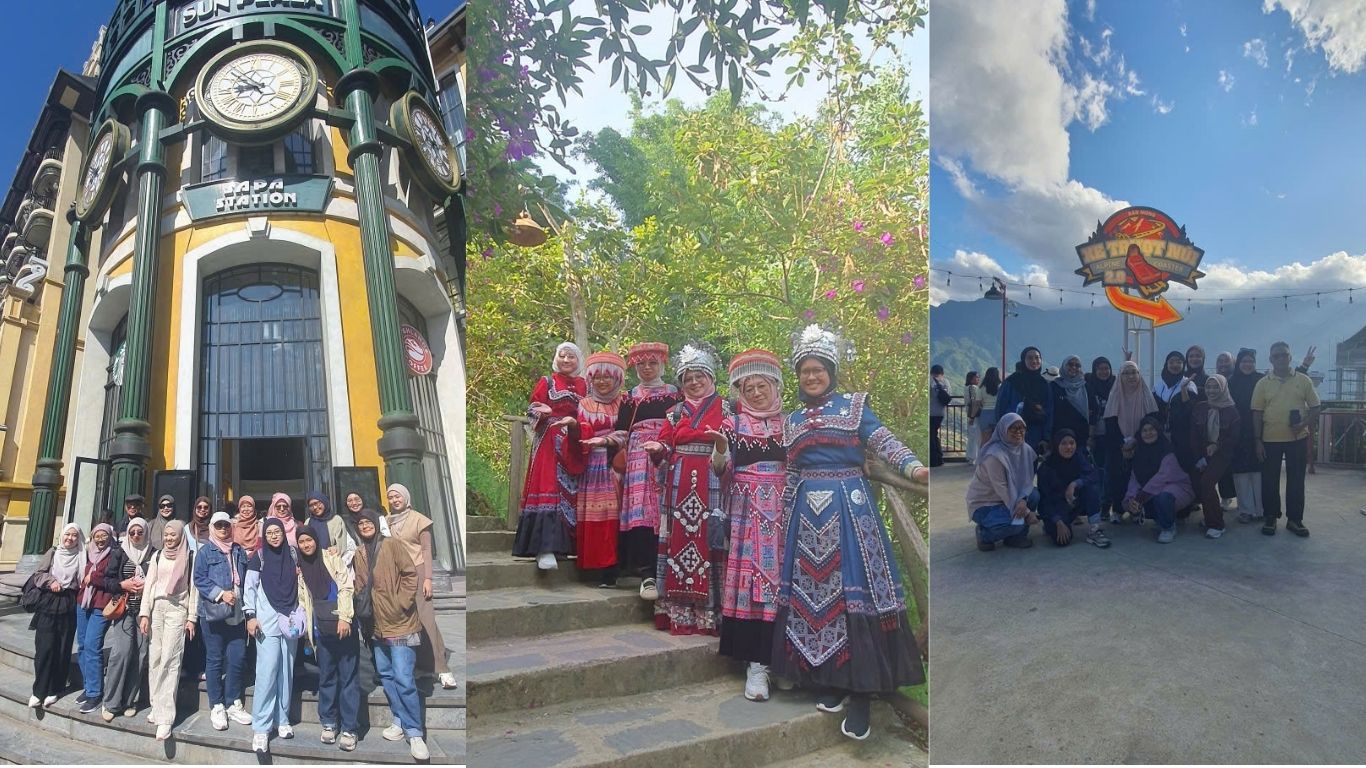
1. Safety and Hijab-Friendly Hospitality
From a quantitative safety perspective, Vietnam consistently ranks among the most stable and low-crime countries in Asia. This makes it an exceptional destination for multi-generational families, couples, and solo female travelers.
- Cultural Respect: Muslim women wearing the hijab can explore urban centers and rural areas with absolute confidence. Local communities are highly welcoming, curious, and respectful of diverse religious practices.
- Low Risk Profile: Petty crimes like pickpocketing are rare outside crowded tourist hubs, allowing for a relaxed exploration of night markets and pedestrian zones.
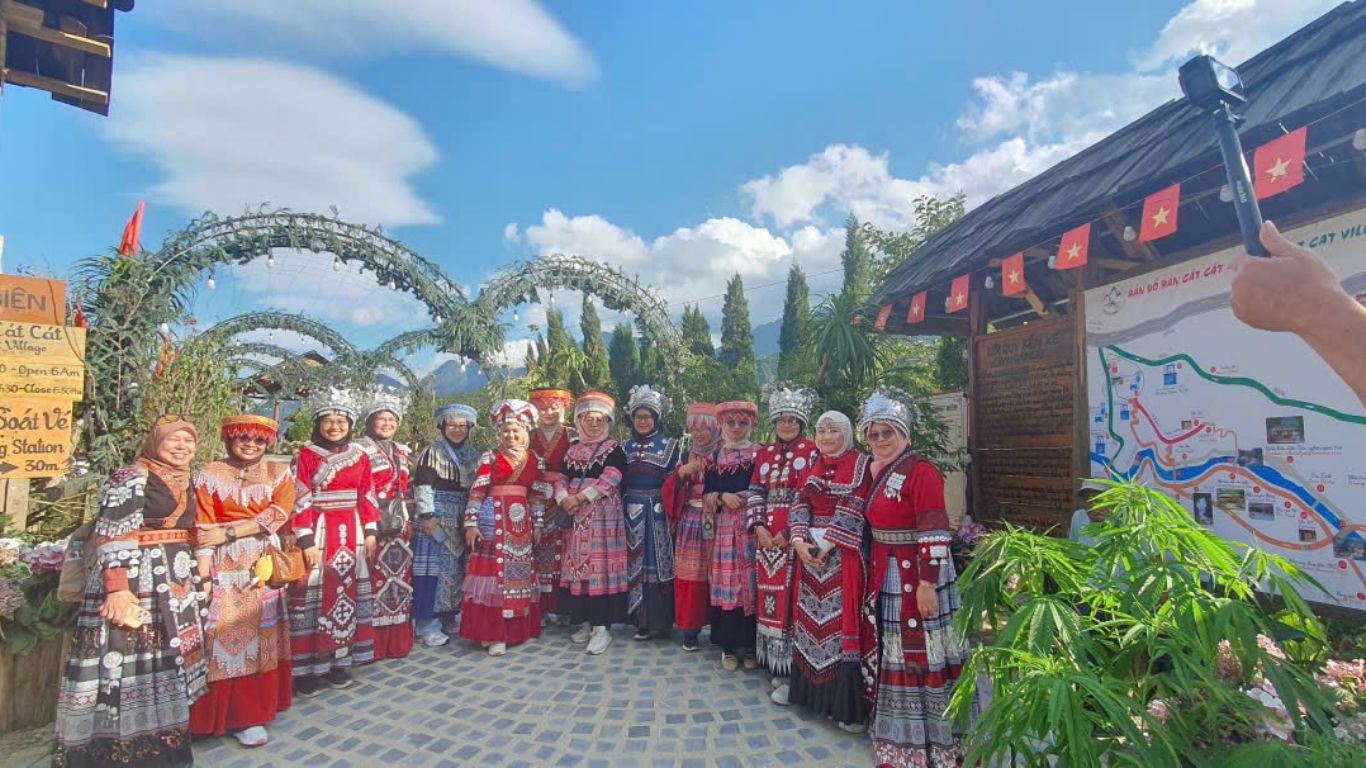
2. Navigating the Culinary Landscape: Urban Hubs vs. Nature Retreats
While major cities offer straightforward dining logistics, transitioning into nature reserves requires a well-planned strategy:
- Major Hubs (Hanoi & Ho Chi Minh City): These cities boast long-standing historical mosques surrounded by dedicated, officially certified Halal restaurants. Travelers can easily find authentic Vietnamese Halal food (like Pho or Banh Mi), alongside Malaysian, Indian, and Middle Eastern cuisines.
- Remote Areas (Sapa, Ninh Binh, Halong Bay): Official Halal infrastructure is heavily restricted in remote regions. A common pitfall is assuming that all local seafood is automatically compliant. In reality, local kitchens frequently employ non-halal additives such as pork fat (lard) or alcohol-based cooking wines for flavor enhancement.
To bypass these hurdles, having a professional muslim friendly guide is crucial. A dedicated guide handles direct kitchen audits, supervises preparation to ensure separate cookware is used, and schedules timely stops for daily prayers (Salah).
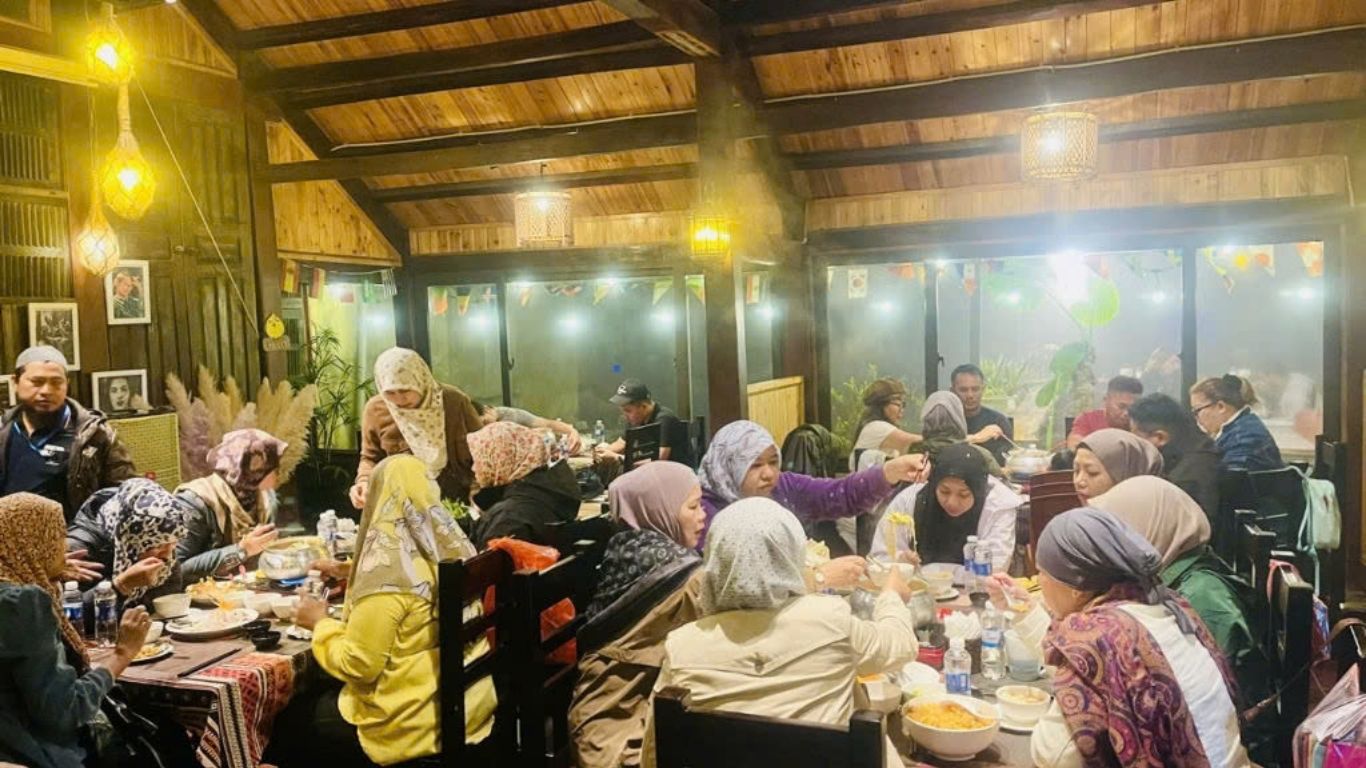
3. Optimizing the Experience via Dedicated Services
For high-end travelers, independent planning in a non-Muslim majority destination can cause significant friction regarding food verification and prayer accessibility. The most efficient and stress-free solution is securing a pre-verified Muslim-friendly travel package. These curated programs ensure an unbroken chain of compliance:
- Private, premium logistics equipped with bidet-sprayed sanitation stops.
- Accommodation selections pre-screened for spaciousness and Qibla alignments.
- Fully audited pork-free and lard-free dining schedules.
Conclusion
With proper foresight, the breathtaking terraced fields of Sapa or the limestone karsts of Halong Bay are fully accessible to observant travelers without compromising religious obligations.
To ensure your family’s next heritage vacation is seamlessly managed with absolute dignity and luxury, partnering with local experts is the most reliable choice. Book a Halal Tours Vietnam for a customized package designed specifically around your lifestyle, dietary parameters, and spiritual peace of mind.